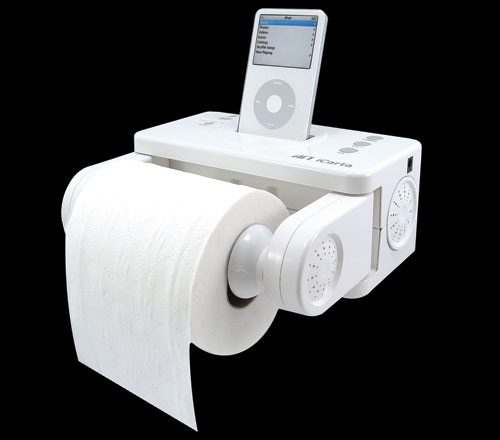
 More than 50% of all new products fail to meet their goals because they fail to meet the needs of the target customers and because they are released with unacceptable quality issues. Depending on the industry, between 60 and 90% of all new products fail to meet customer expectations.
Do the math. The world is full of gizmos and gadgets that people don’t want, don’t need, and certainly don’t want to pay for. Buoyed by hopelessly optimistic marketing revenue projections that are met less than 1 time out of 100, they get to market before anyone finds out just how off the mark they are. Clunky user interfaces, products that fail to perform as promised, or annoying bugs in the released product, create doubt as to whether the designer ever used the product, let alone talked with a real customer. All too often the key question is . . . Customer? What customer?
Who is your Customer? Every project team member has an image of the customer in his head, and typically, that customer looks and acts just like that image. However, this image may, in no way represent the needs and desires of the REAL customer. In actuality, most people working on projects have little or no real world experience of their customer. Their information is secondhand, gathered by sales, filtered by marketing, and interpreted by the designers.
Sometimes the customer is an internal person in the same company, sometimes he is the end user outside the company. In any case, knowing who will be the ultimate judge of the success is critical to defining that success. Some people are oblivious to the fact that there is a customer out there whose needs and wants should be the driving force in the project. Or they assume that the customer is just like their own self, and create something they think the customer will be happy with.
Ignore the Voice of the Customer at Your Peril. Of course, no amount of customer-centric thinking will save a team led by someone who doesn’t value customer input. One high-level manager once declared that their customers should be required to take an intelligence test prior to purchasing their product. While some customers aren’t the sharpest knives in the drawer, customer-focused designers can make any product easy to learn and easy to use. Besides, an important fact to note is that stupid people have money too!
While the key to a delighted customer has always been to under-promise and over-deliver, just asking customers what they want and need is not enough when creating a product. Customers rarely had the imagination to ask for things like overnight package delivery or fax machines, until these were invented.
Be Completely & Unrepentantly Obsessed with the “Customer“. There is no substitute for a personal experience of the customer. As Steve Blank of the Aberdeen Group says in Making the Case for Collaborative Product Commerce (July 2001), “There are no answers inside of this building. Getting project teams out swimming in the customer fishbowl is critical to enabling each person on the team to make decisions in alignment with real customer problems, wants, and needs.” Therefore, cultural anthropology, or swimming in the customer’s experience, is the best way to find out what real customers need. Ignoring the voice of the customer significantly raises the odds that your product will be in the 60 to 90% of new products that fail to meet customer expectations that the Aberdeen Group warns about.
Scrappily yours, Kimberly
P.S. If you just can’t resist, please indulge in more scrappiness by pre-ordering my Scrappy Project Management book at my publisher’s website. It’s highly likely to be available by August.

